
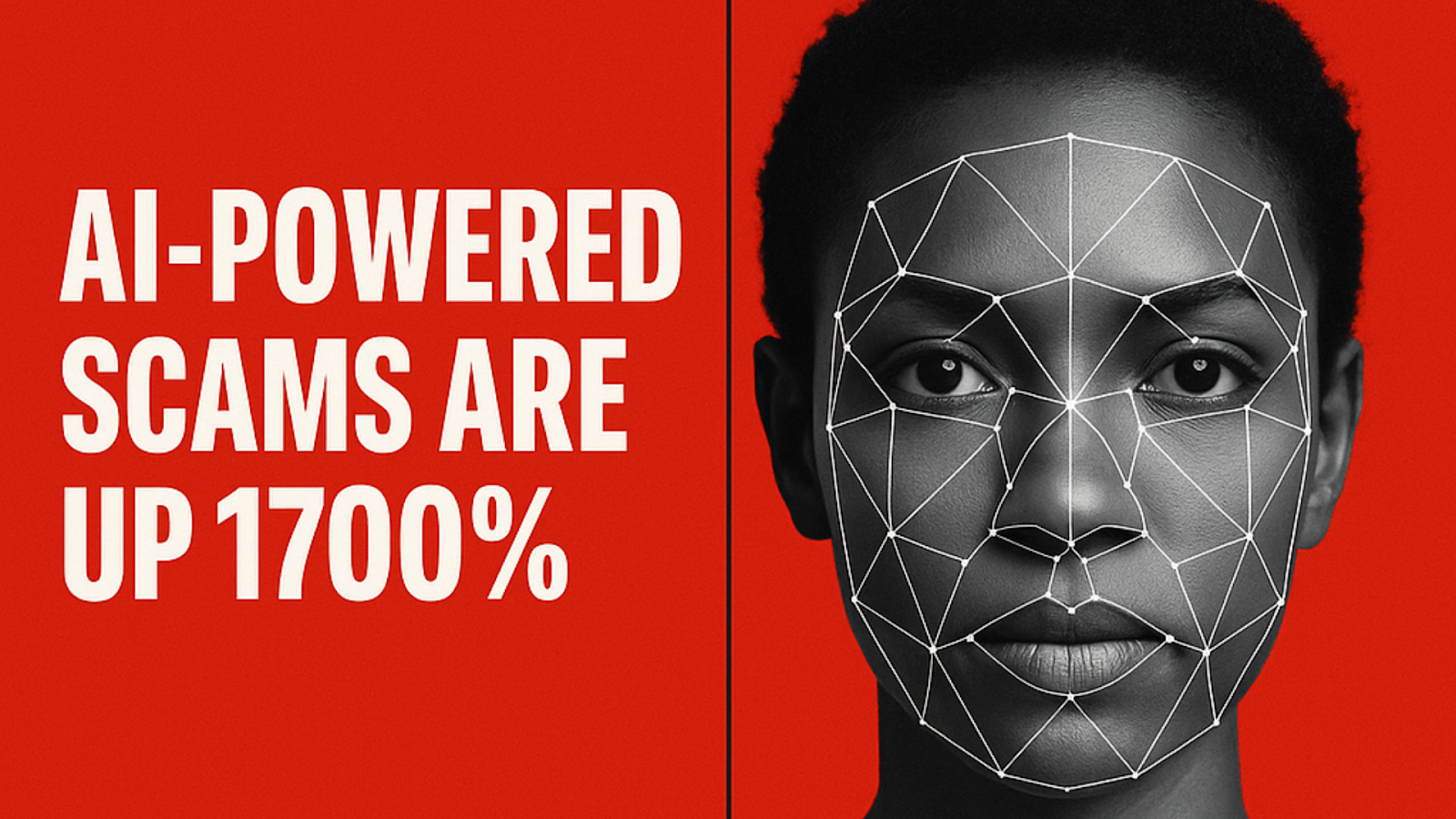
Digital thieves drained $38.5 billion from the global economy last year, slipping through security systems that couldn’t distinguish authorized users from criminals armed with stolen credentials. Every password breach, every SIM swap, every deepfake video chipped away at the fragile trust holding e-commerce together.
Samir Hassan watched the bleeding continue and decided authentication needed surgery, not bandages. His company, CypherFace, built a facial recognition API that verifies identity at the precise moment someone attempts a purchase. The system scans faces, confirms liveness, and blocks unauthorized transactions before money changes hands.
One payment processor serving e-commerce platforms deployed CypherFace across their checkout infrastructure and flagged over 1,200 fraudulent transactions within 45 days—transactions their existing security had greenlit. Chargebacks plummeted 62 percent.
When Passwords Become Passports to Theft
Criminals have cracked the password economy. They buy breached credentials in bulk, automate login attempts, and cycle through stolen identities faster than fraud detection algorithms can learn their patterns. Traditional defenses arrive too late, catching theft only after transactions have cleared and damage has spread.
Hassan built CypherFace to collapse the timeline between verification and transaction. “Authentication must occur before a transaction,” Hassan said. The platform embeds facial recognition directly into payment flows, demanding proof of physical presence through liveness detection before any purchase is completed. Machine learning models analyze depth perception, micro-movements, and biometric markers to confirm a living person stands behind the camera.
Synthetic identity fraud surged 130 percent year over year as criminals learned to manufacture clean KYC records and forge documents that pass static verification checks. CypherFace counters with biometric authentication tied to real-time presence, a credential that criminals cannot easily replicate at scale.
The Two-Second Replacement for 100 Passwords
Most people manage between 70 and 100 passwords. They forget them, recycle them across platforms, and surrender them to phishing emails masquerading as security alerts. CypherFace collapses that entire ecosystem into a facial scan that takes two seconds.
Each capture is converted to an encrypted, irreversible hash stored in the platform’s secure environment. Raw biometric data never leaves the system. Merchants receive only verification results—pass or fail—without accessing actual facial records. The architecture meets KYC and AML compliance requirements while maintaining user privacy through encryption layers.
Hassan founded CypherFace in early 2024 after observing how authentication failures cascaded through enterprises. Forgotten passwords generated helpdesk floods. SMS codes arrived late or got hijacked through SIM swaps. Multi-step verification added friction, leading customers to abandon their carts.
Adaptation Speed Against Threats That Learn
Criminal networks deploy machine learning to refine attacks, testing variations until they penetrate defenses. CypherFace uses liveness-detection models trained on millions of fraud attempts to identify spoofing techniques as they appear. The system updates without requiring merchants to rebuild their integrations.
The API deploys across e-commerce, banking, and high-risk transaction environments. Merchants need no specialized hardware—just smartphone cameras and internet connections. CypherFace released its production platform within twelve months of development and currently operates throughout North America, with plans to expand into Canada and Mexico during 2026.
”Fraud presents a global challenge, so we engineered CypherFace to provide a globally viable solution,” Hassan said. The API slots into existing payment infrastructure, converting standard checkout pages into biometric verification checkpoints. Merchants report cleaner transaction records, fewer chargebacks, and improved customer trust metrics.
Stolen credentials flood dark web marketplaces daily. Passwords leak from compromised databases at a rate that makes traditional authentication feel like locking doors with paperclips. CypherFace wagers that faces verified in real time offer something password managers never could—proof that the authorized person actually showed up.