
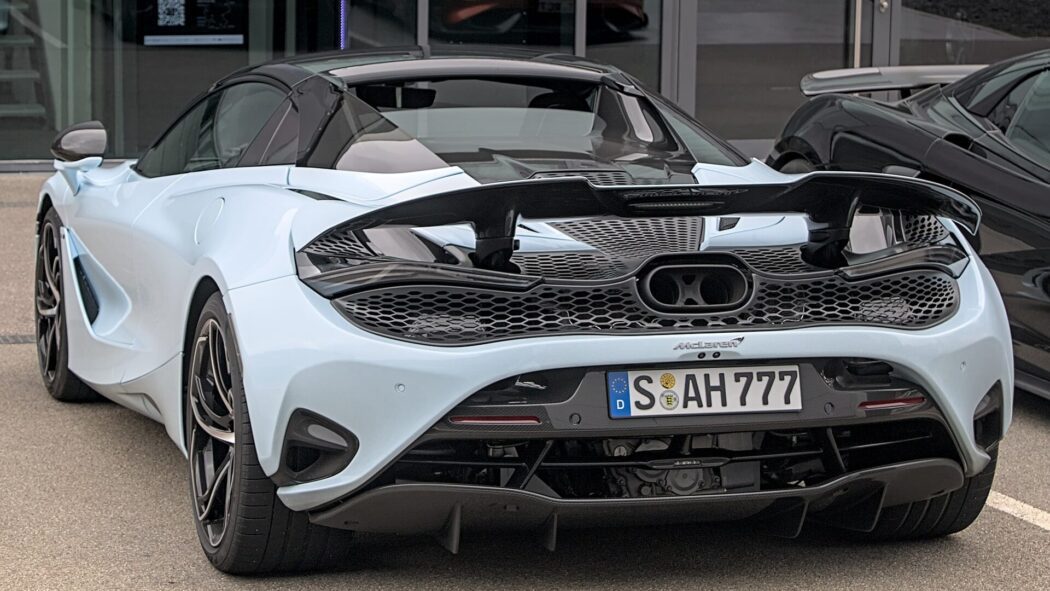
McLaren has announced that production of the 750S will end in 2027, with final orders now being taken for the V8-powered supercar. The news marks the conclusion of a line that began with the 720S in 2017, a model that established McLaren’s modern mid-engine platform and led to a series of acclaimed derivatives over the last decade.
The 750S arrived for the 2024 model year as a heavily revised successor to the 720S, introducing about 30 percent new or updated parts. Its 4.0-liter twin-turbo V8 produces 740 horsepower and 590 pound-feet of torque, sending the car from zero to 62 miles per hour in 2.8 seconds, according to the company. McLaren also reduced the car’s dry weight to 2,815 pounds and improved downforce by 10 percent over its predecessor. The final drive was shortened by 15 percent to sharpen acceleration, though the car still exceeds 200 miles per hour.
Henrik Wilhelmsmeyer, McLaren’s chief commercial officer, described the 750S as “the definition of a McLaren supercar,” citing its driver engagement, performance, and technical innovation. He said it would “leave behind an extraordinary legacy.”
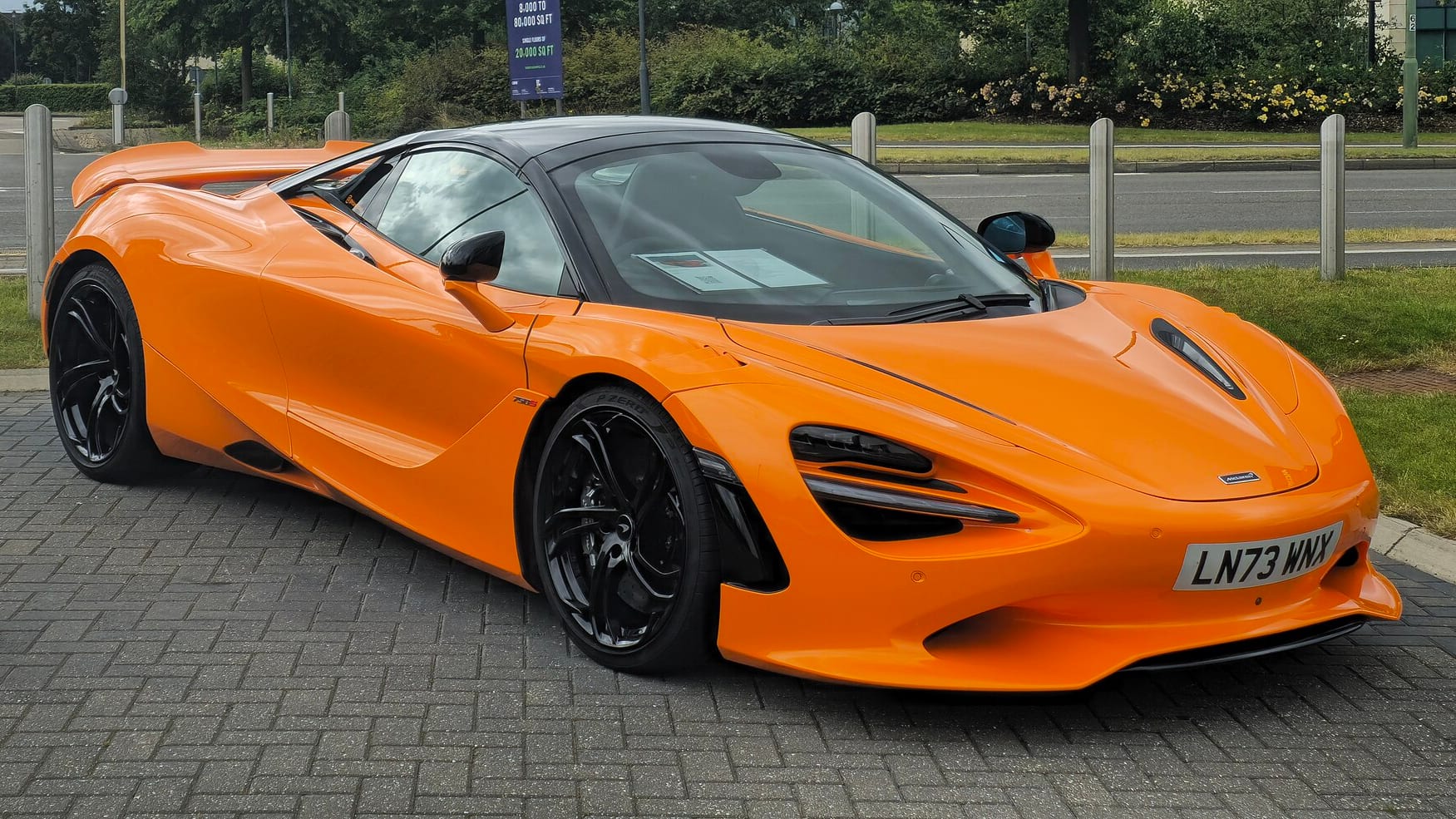
The 750S isn’t the only model being phased out as McLaren prepares for a significant product overhaul. The company is also expected to retire the Artura and GTS in the coming years, clearing the way for a new line-up that will reportedly include an SUV. The final send-off for the 7xx-series platform is the limited-run 788HS, which will see 200 highly customized examples built by McLaren Special Operations and priced from £450,000.
The 7xx story began with the 720S, which replaced the 650S and introduced a new carbon-fiber tub platform for McLaren. The 720S itself was followed by the 765LT, a track-focused variant, before the 750S took over as the flagship. Each model in the series shared core engineering but brought its own set of updates, with the 750S featuring a quicker steering rack, twin-valve dampers, and a wider front track. These changes were aimed at sharpening the car’s handling and maintaining its competitiveness among mid-engine supercars. The 750S also became the lightest series production McLaren at launch, with a power-to-weight ratio of 579 bhp per tonne.
The 788HS, which caps the current generation, is the third McLaren model to receive the High Sport designation, following the MP4-12C HS and the MSO HS. It’s built one commission at a time, with each car receiving F1-inspired aerodynamics and more lightweight components. The 788HS is rated at 777 horsepower. That makes it the most powerful version of the platform. McLaren’s custom division, MSO, is responsible for the bespoke details on each of the 200 units.
Rumors suggest that the 750S’s successor will move away from the V8 in favor of a twin-turbo V6 hybrid powertrain, with a reported output of more than 800 horsepower and 800 pound-feet of torque. The new model, known internally as P34, is expected to launch for the 2028 model year. It will be positioned above the Artura in McLaren’s range and is expected to cost around $315,000.
The 750S remains available to order until production ends next year, with prices starting at around £250,000. The magazine has also looked at the house’s earlier sport watches. The magazine has also looked at the Artura Spider hybrid.
Sources
- Autoevolution: The McLaren 750S Will Leave Us in 2027, Its Replacement May Be a V6 Hybrid Supercar, October 8, 2026
- Car and Driver: McLaren 750S Is Heading to the Supercar Graveyard in 2027, October 8, 2026
- The Fast Lane Car (TFLcar): McLaren Officially Announces the End to 750S Production in 2027: A Decade After the 720S’ Launch, October 8, 2026
- Autocar: McLaren sells last 750S supercars ahead of major product expansion, October 8, 2026