
Two paintings by Pierre-Auguste Renoir, stolen last month from the Renoir Museum in Cagnes-sur-Mer, have been recovered after a coordinated police operation that led to six arrests in southern and eastern France. The works, “Portrait of Madame Colonna Romano” (1910) and “Young Woman at the Well” (1886), were taken in a swift early-morning raid on September 8, in which thieves entered the museum grounds by cutting through a garden fence and forced their way through a window.
The Renoir Museum, a modest institution housed in the artist’s final residence, holds twelve of his works alongside personal items including his easel and wheelchair. The two recovered paintings belong to Paris’s Musée d’Orsay and had been on loan to Cagnes-sur-Mer since 1995. The mayor’s office described the stolen art as highly valuable. During the theft, the intruders initially seized four paintings, but dropped “Portrait of Madame Stephen Pichon” (1895) and “Coco Reading” (1905) as police arrived quickly on the scene, alerted by security alarms.
The method used by the suspects was direct and destructive. Police reports and local media describe how the burglars, believed to be part of an organized criminal gang, used an electric saw to remove the frame mountings after breaking into the building. The entire operation lasted less than three minutes and targeted the museum’s most valuable works. No charges have been announced, and authorities haven’t disclosed further details about the recovery of the paintings, citing the ongoing investigation.
Bryan Masson, mayor of Cagnes-sur-Mer, called the recovery “a tremendous relief for the people of Cagnes-sur-Mer and for everyone who cares deeply about our museum.” He thanked the Central Office for the Fight against Trafficking in Cultural Property for their role in the investigation. The Marseille public prosecutor’s office and the regional police have declined to provide additional information at this stage.
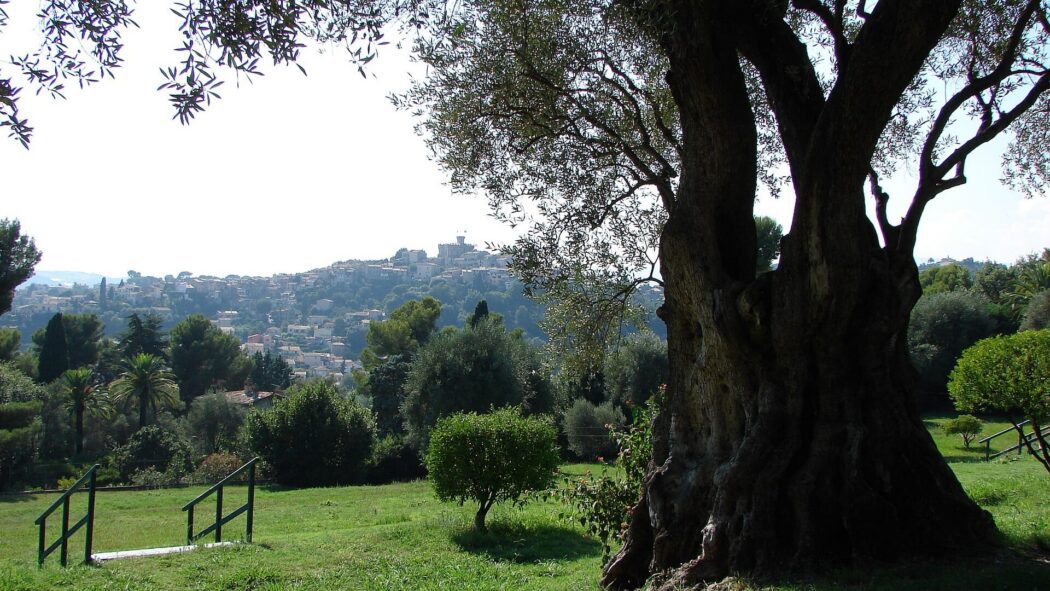
The Renoir Museum stands on the tree-lined grounds where the artist spent his last years before his death in 1919. The building, which opened as a museum in 1960, displays not only paintings but also photographs, personal letters, and objects that belonged to Renoir. The theft, which involved breaking a window and cutting through a fence at dawn, was described by local media as showing a level of planning consistent with organized crime. Nice-Matin reported that the suspects may be linked to a criminal group, but local prosecutors have not confirmed this detail. The museum’s collection is considered to have a particular significance because it’s housed in the artist’s former home, and the loss of works from such a setting has been felt strongly in the community.
The theft is one of several recent incidents that have raised questions about the security of museums in France and across Europe. In August, works by Renoir, Cézanne and Matisse disappeared from an Italian museum in a break-in that lasted only a few minutes, and those paintings were subsequently found. Another high-profile case occurred last October, when thieves disguised as construction workers entered the Louvre and used power tools to remove France’s crown jewels from their display, leaving with items valued at €88m. The Louvre was later criticized for under-investing in security. The Renoir Museum theft has revived calls for better protection and funding for cultural sites, both large and small.
The mayor announced a news conference for Friday, then cancelled it so as not to interfere with the investigation. The magazine has also looked at the Qatari royals’ remarkable art acquisition, another recent headline involving masterpieces and their fate.
Sources
- Artlyst: Stolen Renoir Paintings Returned Five Arrested In France, October 9, 2026
- The Art Newspaper: Police recover Renoir paintings stolen from French museum, October 9, 2026
- HuffPost: Renoir Paintings Stolen From Riviera Museum Recovered, Six People Arrested, October 9, 2026
- Yahoo: 2 Renoir paintings recovered from French museum heist, 6 arrested, October 12, 2026